When we rely entirely on municipal water infrastructure, we assume that “compliant with guidelines” means optimal for human health. The unglamorous truth is that regulatory thresholds are often a series of engineering and economic compromises. You do not need to change the laws or lobby the local council to protect your family. The moment water crosses your property boundary, you own the environment. Real health protection is about building an ironclad sanctuary where you control exactly what enters your kitchen.
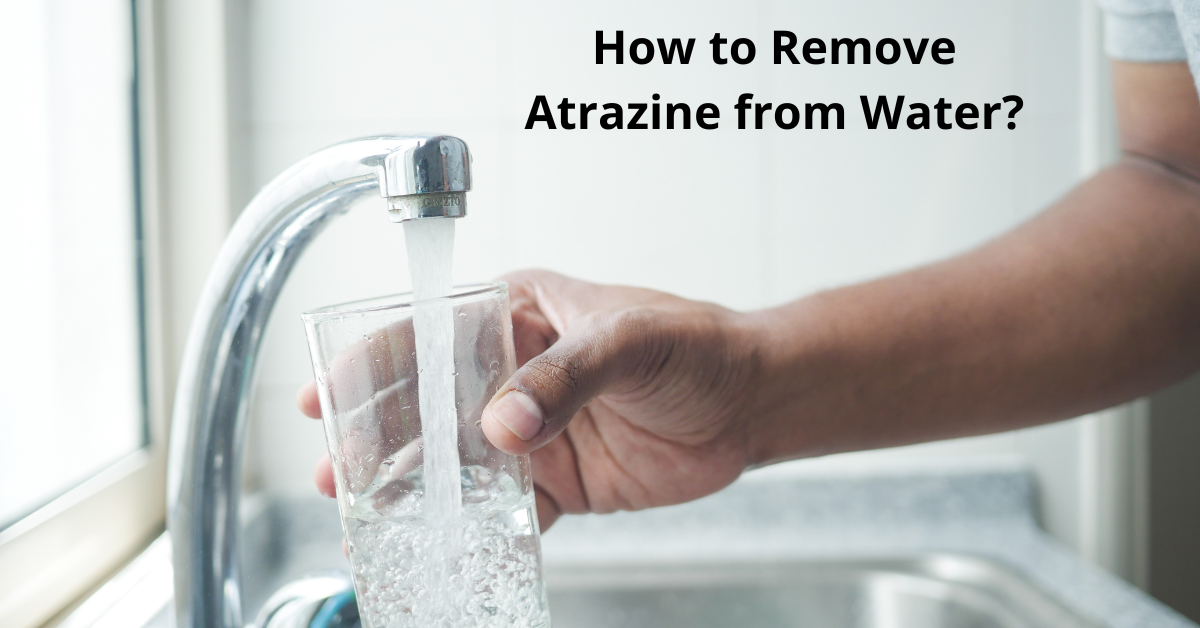
Can you remove atrazine from water?
Yes, you can. But you cannot do it by relying on the loud marketing trends or superficial internet reviews.
Many families buy a basic charcoal filter jug from the local supermarket and assume they are protected because the water tastes less like chlorine. It is a false sense of security. Agricultural chemicals like atrazine are complex molecules. Removing them requires specific mechanical pore density, verified contact time, and high-grade materials. To solve this completely, you need to rely on verified filtration systems designed for heavy lifting.
Here is the three-step framework to handle chemical runoff effectively:
- Check the technical specifications. Look for systems explicitly rated to remove pesticides and volatile organic compounds (VOC’s), not just aesthetic taste and odour.
- Determine your deployment strategy. Decide whether you want to treat the water at the single point of consumption or stop contaminants right at the main boundary line.
- Use verified technology. Standard carbon blocks have limitations, meaning robust chemical barriers are required for true safety.
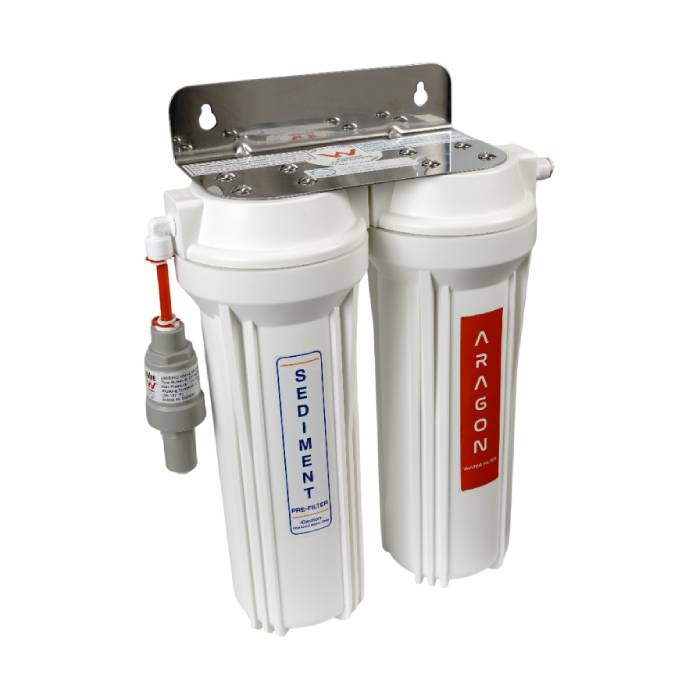
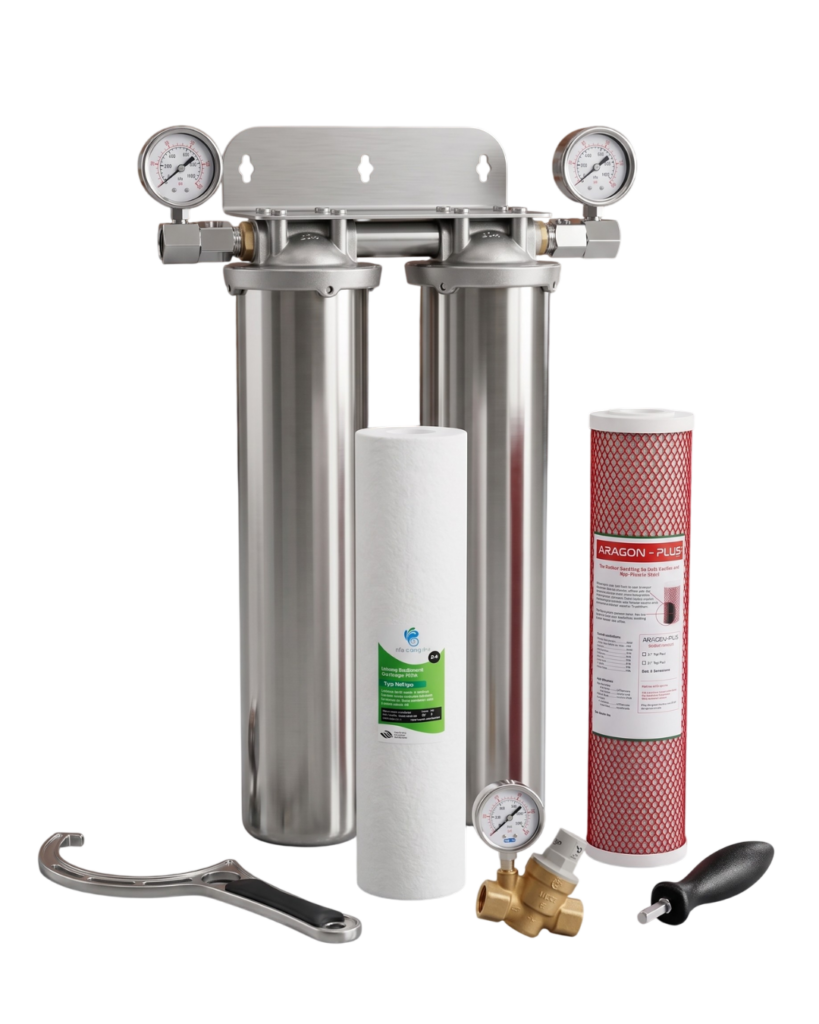
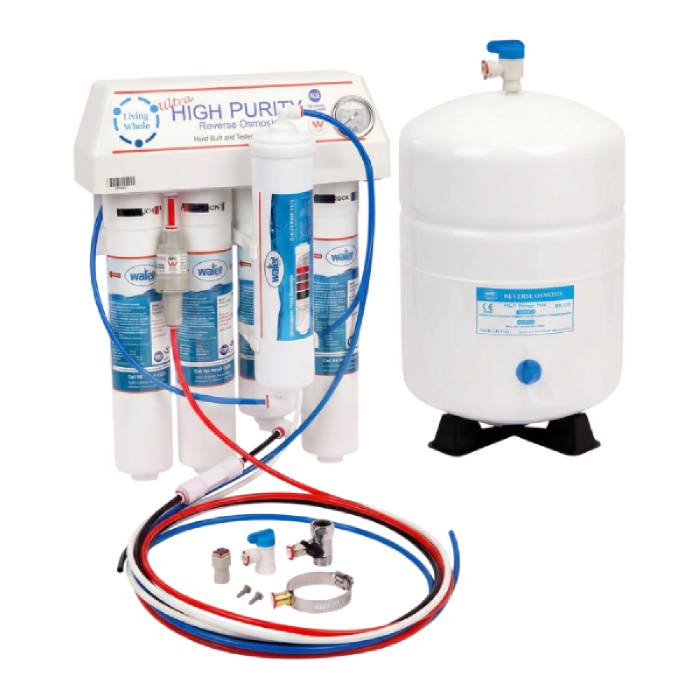
An undersink water purifier offers an exceptional targeted baseline for your cooking and drinking needs. If you want to expand that boundary line to every shower and tap in the household, a whole home water purifier ensures that no chemical residue touches your skin or enters your air via steam. For the absolute highest tier of mechanical separation, a reverse osmosis drinking water filter uses a dense semi-permeable membrane to strip away microscopic compounds that standard filters simply let pass through.
Does Australia have Atrazine in the Water?
Yes, it does. While the European Union banned atrazine back in 2004 due to its persistent profile in groundwater, Australia still permits its use in agricultural contexts. This means runoff routinely finds its way into catchments and groundwater systems.
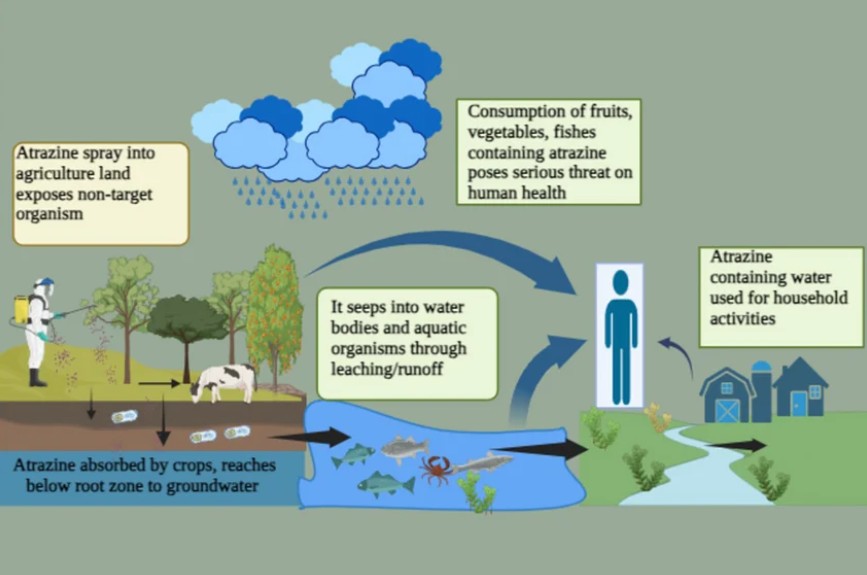
Source: Researchgate (researchgate.net/figure/The-dispersion-of-atrazine-from-the-agricultural-crop-soil-microbiota-aquatic-life-and_fig1_383566211)
Our national water regulators allow specific thresholds under the Australian Drinking Water Guidelines and permit up to 20 micrograms per litre of Atrazine in our drinking water. In contrast, the EU caps any single pesticide at just 0.1 micrograms per litre. That means our acceptable regulatory limit is 200 times higher than what Europe considers safe. Conscious home protectors do not want to settle for legal minimums when it comes to their family’s long-term vitality.
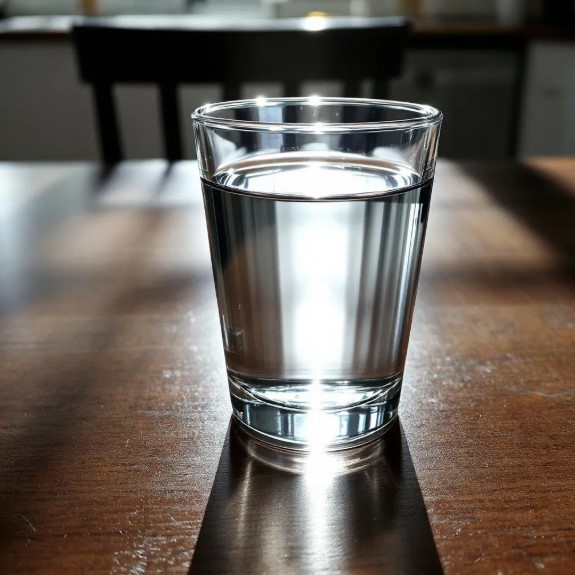
True self-reliance is not about hoping the municipal grid gets it right every single day. It is about understanding the variables so deeply that you can trust the quality of every glass of water you pour in your own home.
Set up the system, verify the specs, and close the loop. That is the whole game.