A reader got in touch last month after finding a musty smell coming from her rainwater tank. Her first instinct was to boil a kettle full and see if that fixed the water. It’s a fair question, and a common one. If mould turns up somewhere in your water supply, whether that’s a tank, a kettle, or a glass jug that’s been sitting too long, does boiling actually deal with it?
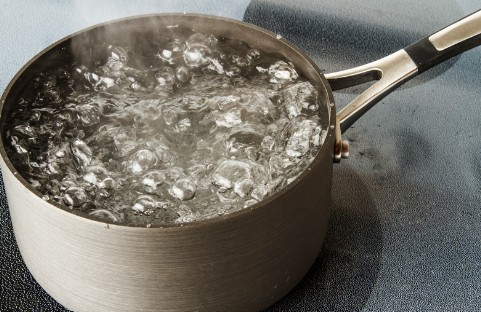
The short answer is yes, for the mould spores already in the water. A 2004 study published in the journal Blood found that boiling water completely killed Aspergillus fumigatus, a type of mould that can survive higher temperatures than many others. The researchers tested it in water, herbal tea, and prepared food. This is reassuring if your only concern is the mould spores already present in your drink.
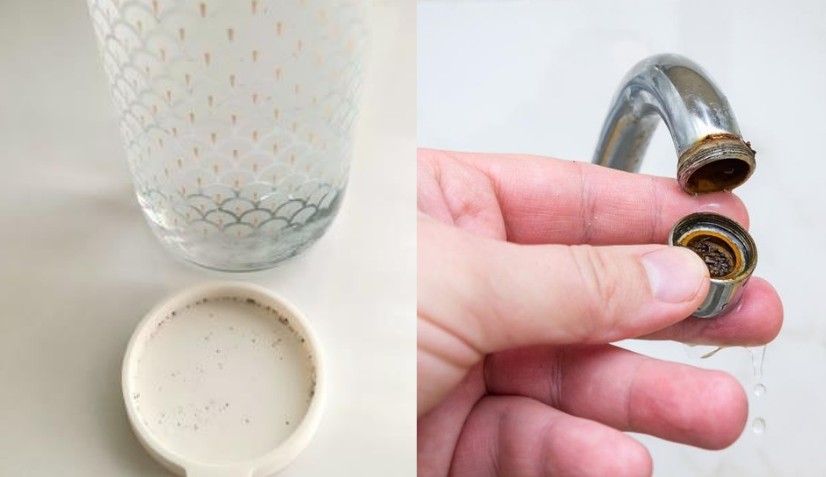
It’s also worth knowing where mould in water tends to actually come from in an Australian home. Chlorinated mains supply is a fairly hostile environment for mould, so it’s rarely the source. Tank water is a different story. A rainwater tank that hasn’t been cleaned in a while, a kettle with a worn rubber seal, a glass jug sitting in the fridge, or a laundry tap that barely gets used are far more common culprits, because they offer the still, damp conditions mould actually needs to establish itself.
Can mould spores survive boiling?
Not all mould behaves the same way under heat, and that’s where the nuance sits. Most everyday household moulds start dying off at a sustained 60°C. Tougher species need higher, longer exposure, which is why a rolling boil at 100°C is the benchmark that reliably covers the range you’re likely to meet at home, rather than a quick kettle cycle.
It’s worth keeping this in perspective. NSW Health notes that mould is present virtually everywhere, indoors and outdoors, and that most people who come into contact with it have no symptoms at all. It’s people with asthma, allergies, or a weakened immune system who need to be more careful. So this isn’t a reason to panic over a glass of tank water. It’s a reason to understand what boiling does and doesn’t fix.
And that’s the real gap. Boiling deals with the spores in the water you’ve already poured. It does nothing for the mould that’s actually growing upstream, on the inside of a tank, in a kettle’s rubber seal, or in old pipe fittings. If the source keeps shedding spores, you’ll be boiling the same problem on repeat.
Can a water filter filter out mould?
This is where filtration earns its keep, because it deals with the ongoing supply rather than one glass at a time. Mould spores generally range from about 1 to 40 microns, with most household species sitting in the 3 to 10 micron range. That’s large enough for most decent filter media to physically catch them, well before the water reaches your tap.
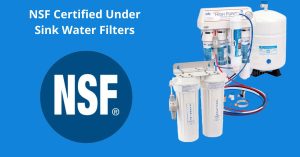
A quality undersink filter with a fine carbon block will trap the majority of that range as standard. If you want the tightest, most consistent barrier, particularly in a household with someone immunocompromised or asthmatic, a reverse osmosis filter pushes water through a membrane fine enough to catch dissolved solids and organic particles that carbon alone can miss. If the concern starts further back, at the tank or the mains connection rather than just the kitchen tap, a house filtration system treats everything coming into the property, so you’re not relying on boiling as your only line of defence.
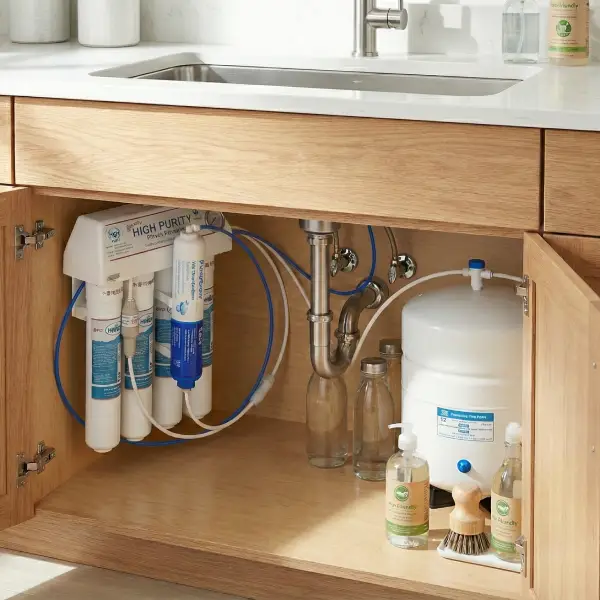
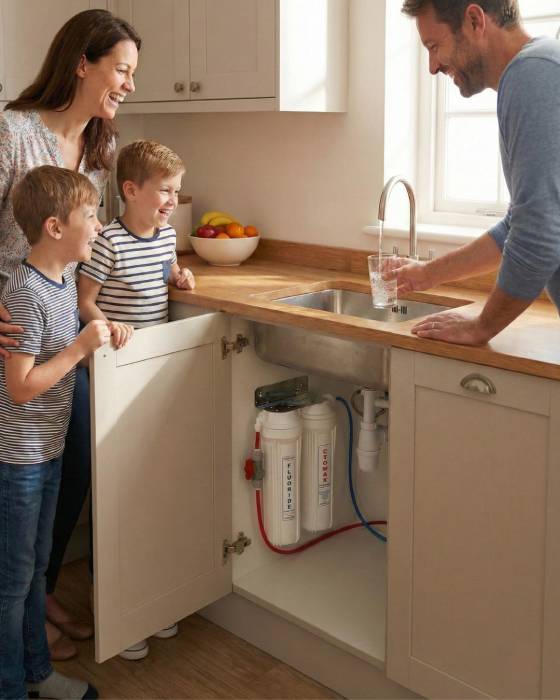
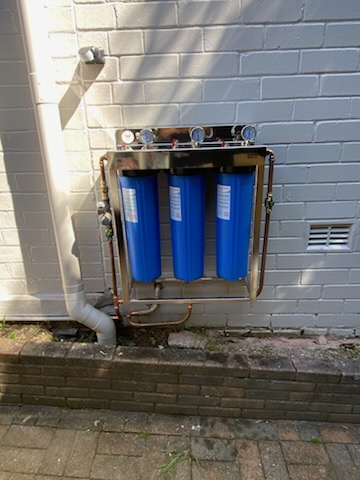
None of this means every household needs the top-tier setup. If you’re on mains water and the musty smell was a one-off from an old kettle, cleaning the kettle is a reasonable response on its own. The bigger investment makes sense when you’re on tank water, have a family member more vulnerable to mould, or you’ve had a repeat problem you can’t shift. Match the filter to the actual risk, not to the most impressive option in the catalogue.
If you’re dealing with a musty tank or a mouldy jug lid, a sensible order of operations looks like this:
- Find and clean the source. Scrub tank walls, replace kettle seals, or descale and dry out whatever’s holding onto moisture.
- Boil water you’re using in the meantime, if you’re at all unsure what’s in it.
- Install filtration matched to your setup, whether that’s under the sink, across the whole house, or a dedicated reverse osmosis unit, so ongoing spores get caught before they reach your glass.
- Keep an eye on smell and taste. Mould usually announces itself well before it becomes a real problem.
Boiling water solves the glass in front of you. Filtration solves the tap you’ll be drinking from tomorrow, and every day after that.