
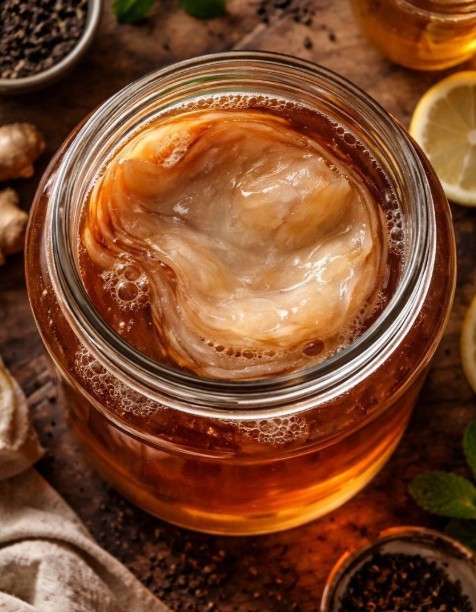
A reader wrote to us a few weeks back, worried her SCOBY had stopped growing a new layer. She’d recently switched from tap water to a water distiller, thinking purer water meant a cleaner brew. Her kombucha had gone flat and the culture looked thin instead of thick and healthy.
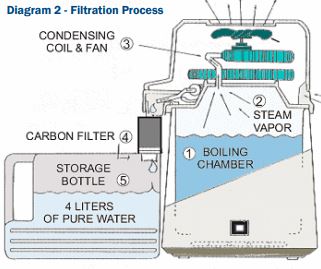
Short answer: you can technically use distilled water for kombucha, but it’s rarely the best choice on its own. The SCOBY, short for symbiotic culture of bacteria and yeast, needs a handful of minerals to do its job properly, and distillation strips them all out along with everything else in the water.
Is it okay to make kombucha with tap water?
Generally, yes, with one condition. Tap water usually carries enough calcium, magnesium and potassium to keep a SCOBY content, so mineral content isn’t the issue. Chlorine and chloramine are.
Both are added to Australian mains supply to keep the water safe to drink, and they work by killing bacteria. That’s exactly what you don’t want anywhere near a living culture of bacteria and yeast. Over repeated brews, chlorinated tap water can weaken a SCOBY’s bacterial layer or stop it forming properly, since the whole point of adding chlorine to mains supply is killing bacteria on contact.
The Australian Drinking Water Guidelines set a health-based limit for chloramine because it’s about keeping the water safe for you to drink. It says nothing about what’s gentle on a jar of live bacteria fermenting on your bench. That’s worth remembering any time a guideline gets treated as the final word. Meeting the standard for human safety and being ideal for fermentation are two different questions.
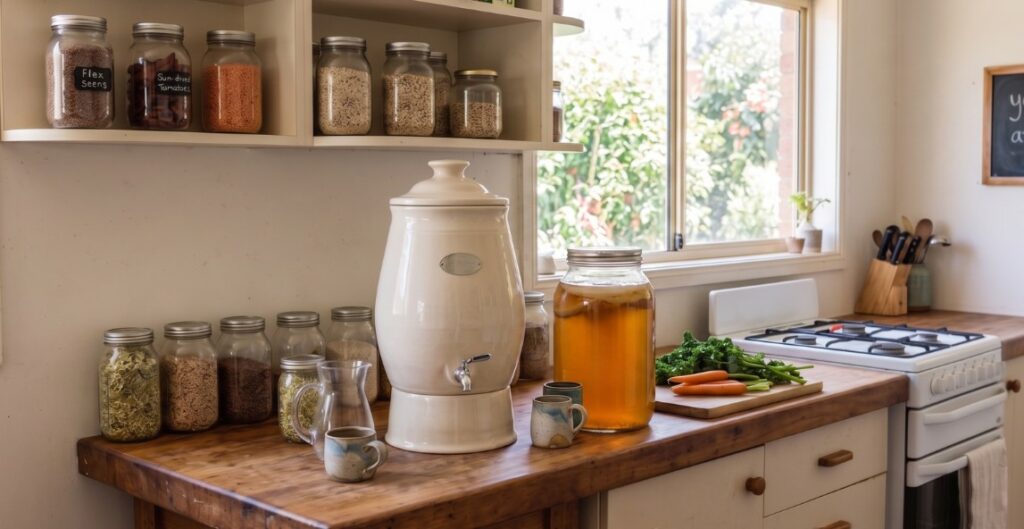
If your kombucha keeps struggling and you’re on mains water, letting a jug sit uncovered overnight lets chlorine gas off. Chloramine won’t budge that way, and most Australian capital cities now use it, so a ceramic benchtop water filter is generally the simpler fix. It pulls out the chlorine and chloramine while leaving the minerals your SCOBY actually wants.
What is the best water for kombucha fermentation?
The sweet spot is water with the chlorine and chloramine removed but the minerals intact. That’s why plain filtered tap water, or spring water, tends to outperform both distilled and straight tap water for a healthy, active culture.
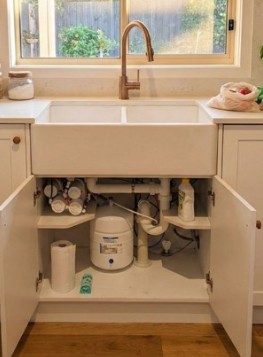
This is where distillation and reverse osmosis run into the same problem. Both processes are excellent at producing very clean water. They wipe out unwanted disinfectants, but they also take the calcium, magnesium, and potassium your SCOBY actually needs to thrive. If your household drinking water comes from a reverse osmosis drinking water filter, it will still work for kombucha, but it helps to add a small pinch of mineral-rich salt, use and added remineraliser, or brew with a splash of your last batch to carry a few nutrients across.
Can I use well water for kombucha?
Bore or well water swings the other way. Australian groundwater is often mineral-heavy, and kombucha cultures generally don’t thrive on too much mineral content any more than too little. It can alter the flavour and stress the bacteria and yeast over time, per the microbiology reviewed in studies on kombucha fermentation.
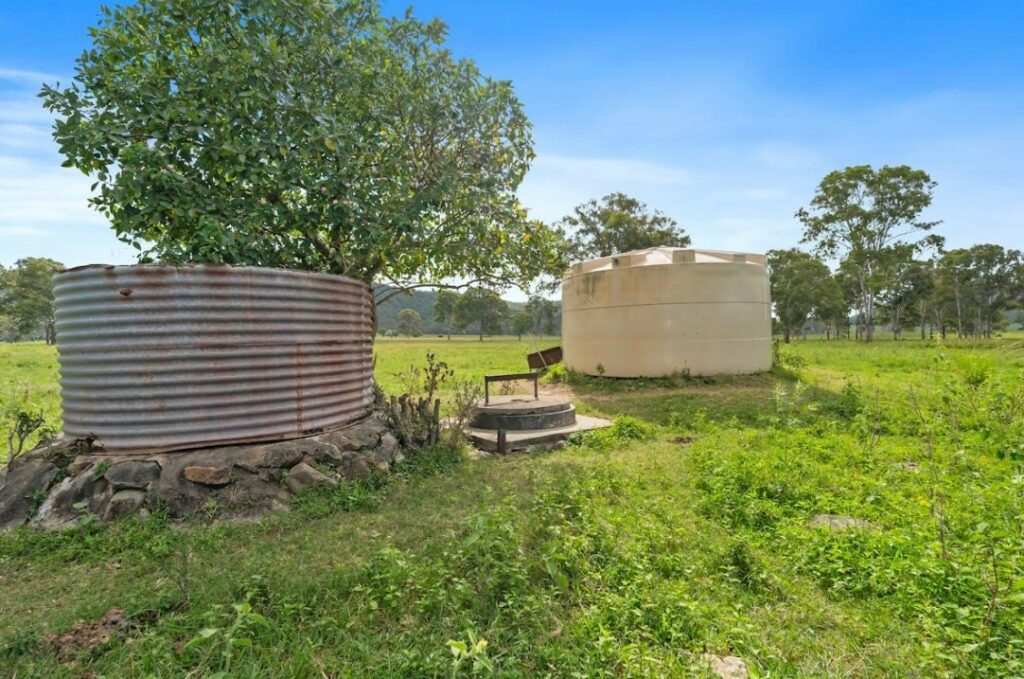
There’s also the unknown factor. Unlike mains water, nobody is routinely testing what’s coming out of a private bore. SA Health recommends testing bore water at least every two years for microbial and chemical contamination, since conditions can shift without any obvious change in taste or smell. That’s sound practice before using it for drinking, cooking, or brewing anything you plan to consume daily.
If a test comes back high in minerals, a whole house water filter set up to manage hardness can bring bore water into a more workable range for kombucha, without stripping it bare the way distillation does.
The bigger picture
None of this needs to be complicated. A SCOBY is a living community of acetic acid bacteria and yeast that ferments best in conditions close to what it evolved in: some minerals, no disinfectant, nothing extreme in either direction. Distilled water isn’t harmful to your culture, it’s just missing ingredients it would otherwise get for free from tap or spring water.
Good kombucha isn’t about finding the purest water possible. It’s about giving your culture what it actually needs, nothing more and nothing less.