Most people look at a sealed plastic bottle of water and see a guarantee of purity. We have been conditioned to think that commercial packaging is the ultimate shield against the impurities of the modern world. If we worry about what is coming out of our taps, we swap to the bottle, thinking we have bypassed the issue entirely.
It is a comforting thought, but it is built on a fundamental misunderstanding of how water safety actually works.
The reality of heavy metals in our environment is a systemic challenge, not a product problem. When you start looking past the pristine mountain graphics on the label and dive into the technical specifications of water quality, the clean narrative begins to crack.
The real work of building a low-tox life isn’t found in chasing trendy wellness hacks or buying whatever product is trending online. It is found in the unglamorous infrastructure choices you make for your household.
Is it common for tap water to have lead?
To understand why people flee to bottled alternatives, we have to look at the structural reality of our plumbing infrastructure. The short answer is that while municipal water treatment facilities do a great job of purifying water at the source, they cannot control the journey to your kitchen.
This is known as the last-mile problem.
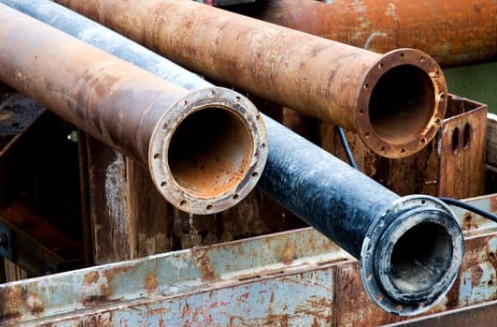
Lead rarely exists in the raw water supply treated by public authorities. Instead, it leaches into the stream right at the finish line. Within the Australian community, this is a well-documented issue: even legacy copper pipe soldering and public health guidelines around older brass tap fittings highlight how small amounts of lead can quietly dissolve into the supply when water sits stagnant overnight.
Because you cannot see, taste, or smell it, most families remain completely unaware that their water quality changes between the street and their glass. It is a real environmental exposure, and it is exactly why conscious home protectors start looking for a reliable line of defense.
But turning to commercial bottles is not the sanctuary people think it is.
When you ask, does bottled water contain lead?, the truth is that bottled water is subject to the same structural realities as any other source. Depending on where the water was sourced, how it was processed, and the regulatory standards of the bottling facility, heavy metals can still be present. Worse still, swapping to a plastic bottle simply exchanges a heavy metal risk for a microplastic reality.
Relying on single-use bottles means you are trusting a marketing claim rather than verified performance data. It is a passive consumer habit born out of anxiety, rather than a definitive solution.
Do any water filters filter lead?
The good news is that you do not have to remain passive, and you certainly do not need to rely on an endless cycle of plastic waste. You can take total ownership of your home environment by choosing tools based on verified data, not superficial reviews.
However, you must choose the right tool for the job.
A standard carbon filter jug is excellent for basic tasks. It makes water taste better by reducing chlorine, but it is fundamentally a cosmetic fix. It does not possess the structural capability to reliably strip out heavy metals or microscopic contaminants like lead and PFAS. If you are using a lightweight filter jug thinking it shields your family from legacy pipe runoff, you are operating under a false sense of security.
To solve a systemic issue, you need a system.
If your goal is absolute certainty, you need a high-performance under sink reverse osmosis filter or a robust whole home water filtration system. A proper reverse osmosis system doesn’t just screen your water; it forces it through a semi-permeable membrane that mechanically rejects heavy metals, heavy microscopic toxins, and impurities down to the molecular level.
- Audit your environment: Stop guessing about your water quality. Look at the facts of your home’s infrastructure.
- Check the specifications: Never buy a filter based on a bold headline. Demand to see the independent testing certifications to confirm exactly what it removes.
- Build your barrier: Install a verified water filter that filters lead, establishing a permanent, physical boundary between environmental toxins and your household.
True self-reliance is about eliminating guesswork. When you establish a hand-built, verified filtration system right at the point of use, you stop reacting to environmental worries out of fear. You simply close the door on them.
Own the environment. Do not just buy the gadgets. The wellness trends will change every six months, but the core need for pure water will not. Building a verified system that protects your home is the whole game.