

Most people ask the wrong question first. They ask “how much does a water filter cost,” when the real question is “what am I actually filtering out, and where.” That distinction changes the number by thousands of dollars.
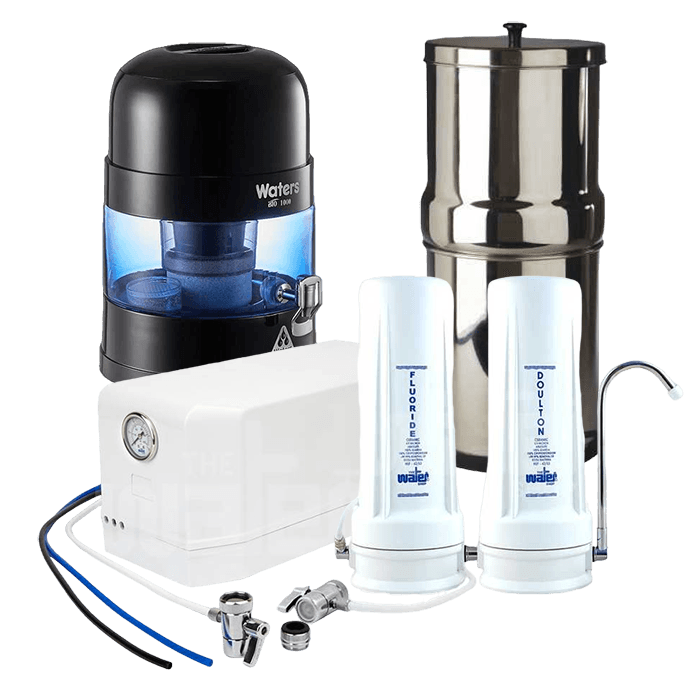
A benchtop water filter sitting on your kitchen bench might set you back $200 to $600. A dedicated under sink water filter runs $400 to $1,200 fitted. But when people say “complete home filtration,” they usually mean a whole house filter system that treats every tap, shower and outlet in the property. That’s a different budget entirely, and it deserves a proper breakdown rather than a guess.
Worth noting early: complete home filtration isn’t the right goal for everyone. Renters and apartment owners often can’t install whole-house plumbing, and shouldn’t feel behind because of it. A good benchtop or under-sink unit covers the water you actually drink and cook with, which is where most exposure happens anyway. Save the whole-house conversation for when you own the pipes.
How much does an entire home water filtration system cost?
Here’s the honest cost, using current Australian pricing.
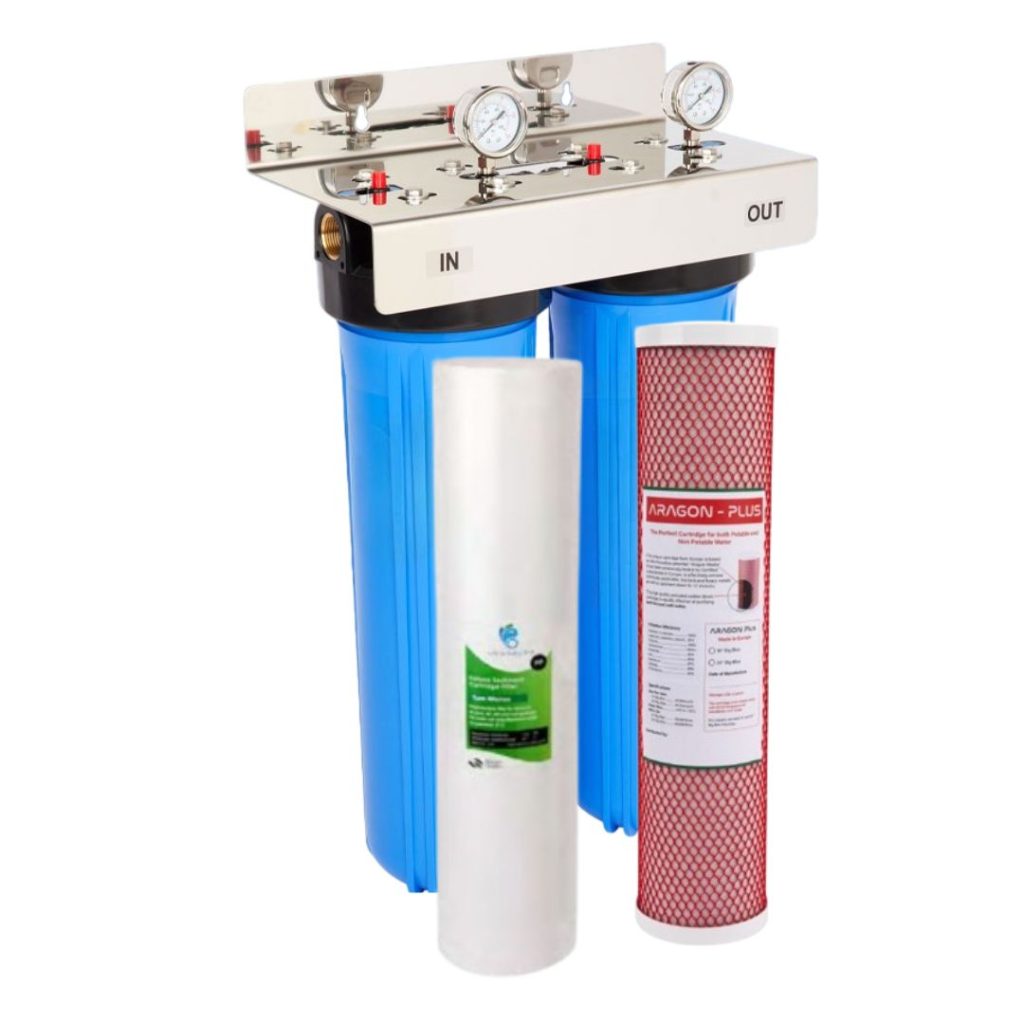
- Basic whole-house systems, sediment and chlorine removal only, cost roughly $1,000 to $1,500 installed. These suit town water with no major chemical concerns.
- Mid-range systems, with added carbon and finer filtration stages, cost $1,900 to $2,500 installed. This is where most families land.
- Comprehensive systems, multi-stage filtration and sometimes reverse osmosis filtration at point of use, run $2,500 to $4,500 or more installed, depending on house size and water source.
On top of the purchase price, budget $150 to $220 every six to twelve months for replacement cartridges. Skip this and you’re just running unfiltered water through an expensive housing, which defeats the entire purpose.

If fluoride is your specific concern, a standard whole-house carbon system usually won’t touch it. Fluoride is a small molecule that slips past ordinary carbon media. If you want a water filter that filters fluoride, you generally need reverse osmosis or fluoride-rated media, and it’s usually installed at the kitchen tap rather than the whole house, since drinking and cooking water is where it actually matters.
Is complete home filtration worth it?
This is the real decision, and it comes down to three things: your water source, your household’s specific risks, and your budget.

If you’re on rainwater, a whole-house system with sediment and bacteria protection is close to essential. Tank water carries different risks to mains supply, from bird droppings to roof runoff, and there’s no treatment plant checking it before it reaches your shower.
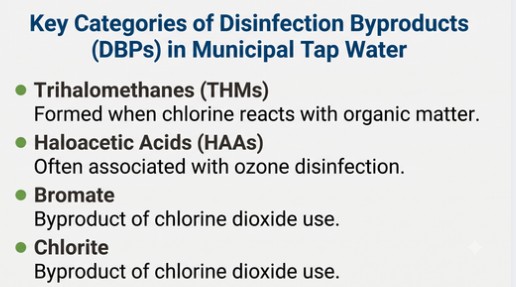
If you’re on mains water in a capital city, your supply is already treated to the Australian Drinking Water Guidelines, so the question shifts from “is my water safe” to “do I want to reduce specific things further,” like PFAS, chlorine byproducts, or fluoride.
The NHMRC’s own PFAS review found that drinking water is a genuinely minor source of exposure for most Australians, since the vast majority comes from food and household products, not the tap. That doesn’t make filtration pointless. It means a whole-house system solves a different problem to a point-of-use filter, and you don’t necessarily need both to be doing the responsible thing.
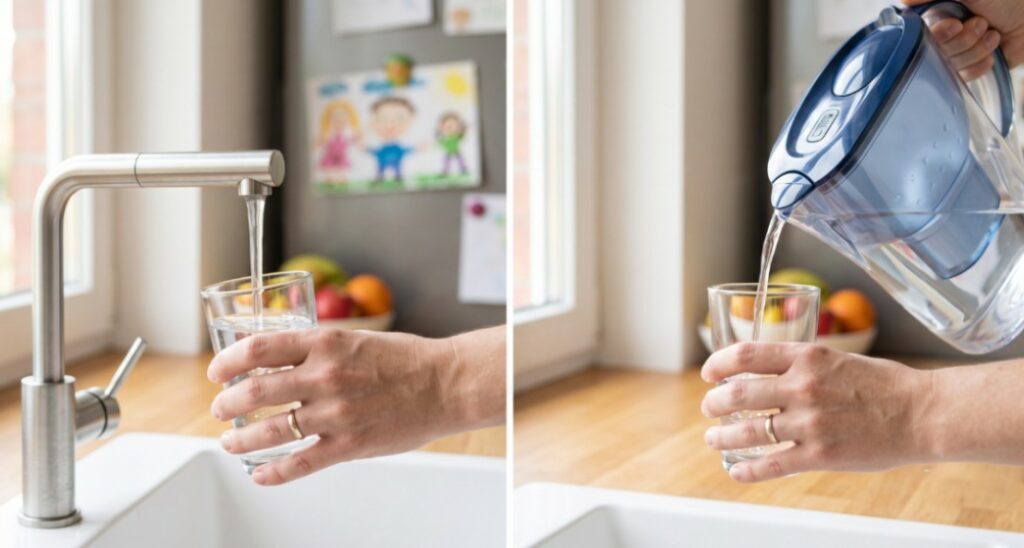
Fluoride is where households genuinely split. Water fluoridation reaches around 89 percent of the Australian population and is credited with reduction in tooth decay. Plenty of families are comfortable with that. Others, particularly parents mixing infant formula, prefer to filter it out of their drinking water specifically. Neither position is wrong. It’s a personal call, not a safety emergency, and you’re allowed to make it based on what suits your family rather than what a headline told you to fear.
The honest answer to “is it worth it” is this: A whole house filter is worth the investment when you know what you want to remove from your water. It’s a waste of money when you buy it because something scared you online.
Start with your water source. Add sediment and chlorine protection if you’re unsure where to begin. Then layer in reverse osmosis, whether that’s an undersink or a benchtop unit, once you’ve actually identified what your water needs treated for. Reverse osmosis is well understood, decades-old technology, not a gimmick. It forces water through a membrane fine enough to catch dissolved solids that most other filters simply miss.
You don’t need the most expensive system in the catalogue. You need the one that matches what’s actually coming out of your tap.