Search “how to remove fluoride from water naturally” and you’ll find jugs, charcoal sticks, and a lot of advice that sounds sensible but doesn’t hold up under the tap. Fluoride is a small, stable ion. It doesn’t care about charcoal, copper coils, or a good boil. It only leaves water when it’s forced through the right kind of media, and knowing which media actually works is the difference between wasting money and solving the problem.
Here’s the contrarian bit. “Natural” doesn’t mean gentle folk remedies. The two methods that reliably remove fluoride, reverse osmosis and distillation, are just physics doing the heavy lifting: forcing water through a membrane, or boiling it away from everything that isn’t water. Nothing mystical about it. It’s the marketing around “natural” filtering that’s the problem, not the science.
What is the cheapest way to get fluoride out of water?
Cost depends on what you already own and how much water you’re treating.
Activated alumina cartridges. These sit at the budget end, often under $100 for a benchtop cartridge rated for around 1,900 litres or twelve months of use. They reduce fluoride by roughly 90 percent when the media is fresh, which makes a small benchtop water filter with alumina media the cheapest genuine fix for drinking and cooking water.
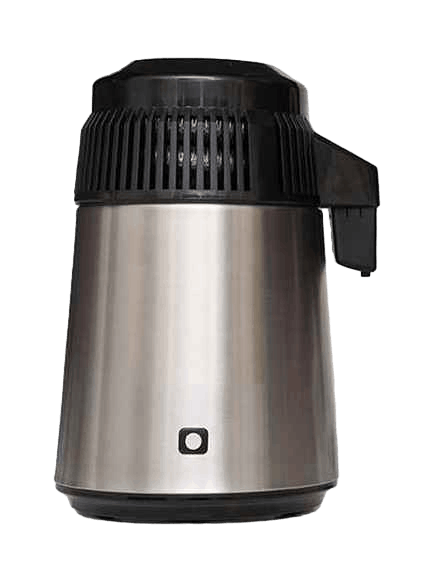
Distillation. A countertop water distiller is a one-off purchase, then just electricity per batch. It removes fluoride almost completely because the mineral is left behind in the boiling chamber while pure steam condenses elsewhere. Slower than filtration, but cheap to run once you own a water distiller.
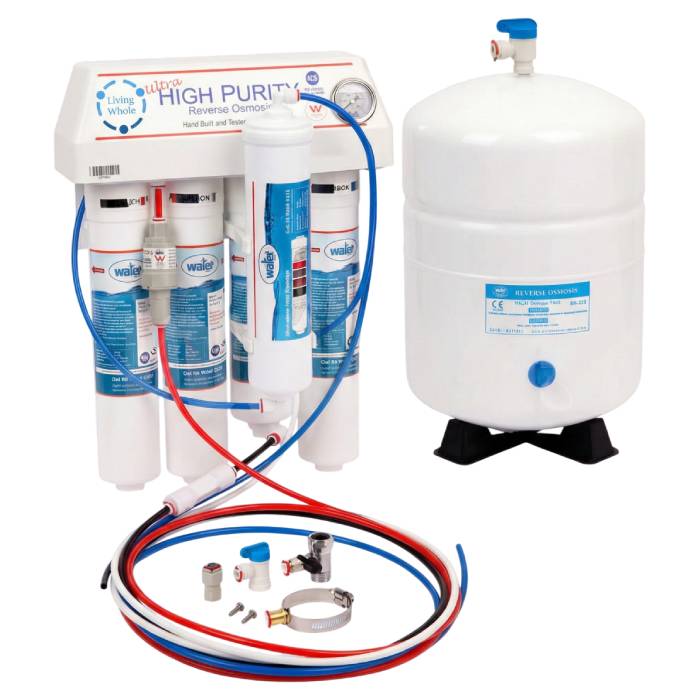
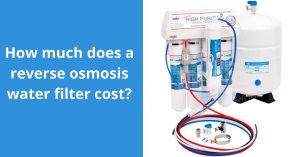
Reverse osmosis. An under-sink RO system costs more upfront, generally a few hundred dollars installed, but published comparisons of water purification systems have measured fluoride reductions from around 50 to over 90 percent depending on the unit and source water, and most dedicated fluoride cartridges plug straight into an existing setup.
Ordinary carbon filters, jug filters, and a standard house water filter don’t make this list. Carbon is brilliant at chlorine, taste, and plenty of organics, but fluoride is a small ion that membrane and carbon-based studies consistently show slipping straight through standard media. If a product only mentions “carbon filtration” and fluoride in the same sentence, read the fine print before you buy.
Can boiling water remove fluoride?
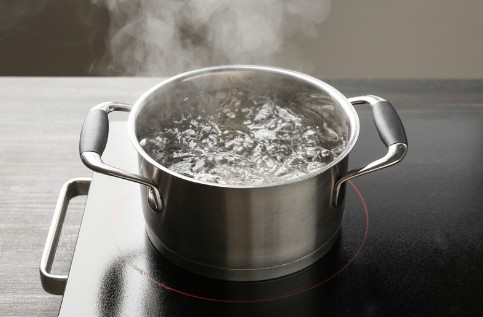
No, and this is worth saying plainly because it’s one of the most repeated pieces of water advice in Australia. Boiling doesn’t remove fluoride. It concentrates it. Fluoride doesn’t evaporate with the steam, it stays in the pot, and as water volume drops through boiling, the fluoride left behind becomes a slightly higher concentration per litre than when you started. If you’re boiling water specifically to reduce fluoride before making up infant formula, you’re achieving the opposite of what you intended.
This mix-up probably comes from boiling being genuinely effective against bacteria and parasites, so people assume it handles chemical contaminants too. It doesn’t. Different problem, different fix. If fluoride is your concern, reach for a fluoride water filter system or an RO system instead of the kettle.
The guideline isn’t the same as your choice
Around 90 percent of Australians are on fluoridated water, with utilities targeting 0.6 to 1.1 mg/L and a legal ceiling of 1.5 mg/L under the Australian Drinking Water Guidelines. That ceiling exists to prevent skeletal fluorosis at high, sustained exposure, not to define what’s optimal for your household. The US EPA, by comparison, allows up to 4 mg/L before it’s enforceable, while separately recommending 2.0 mg/L to avoid dental fluorosis and 0.7 mg/L as the fluoridation target. Different countries, different lines drawn, same underlying point: a guideline tells you where the danger zone starts. It doesn’t tell you what you personally should be drinking.
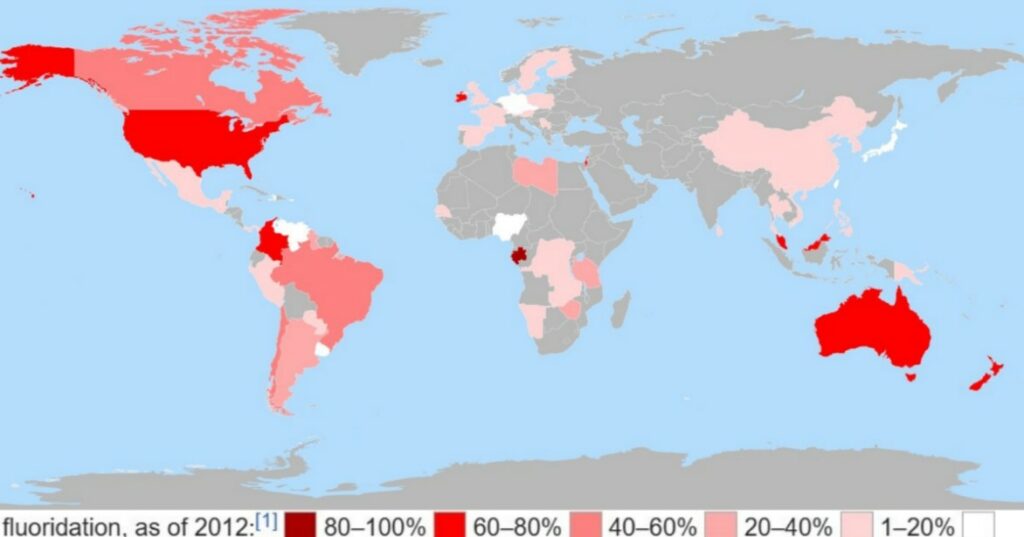
Fluoridation has a real, documented benefit for tooth decay, and plenty of families are entirely comfortable with it. Others, especially anyone mixing infant formula or managing a health condition, prefer to filter it out at the tap. Neither camp needs to convince the other. Compliance with a guideline means the water won’t make you sick. What you do from there is a personal call, not a safety test, and you’re allowed to set your own standard rather than borrow the government’s.
You don’t need a kettle trick or a charcoal stick. You need media built for the job, and then the fluoride question stops being a mystery and just becomes a filter you own.