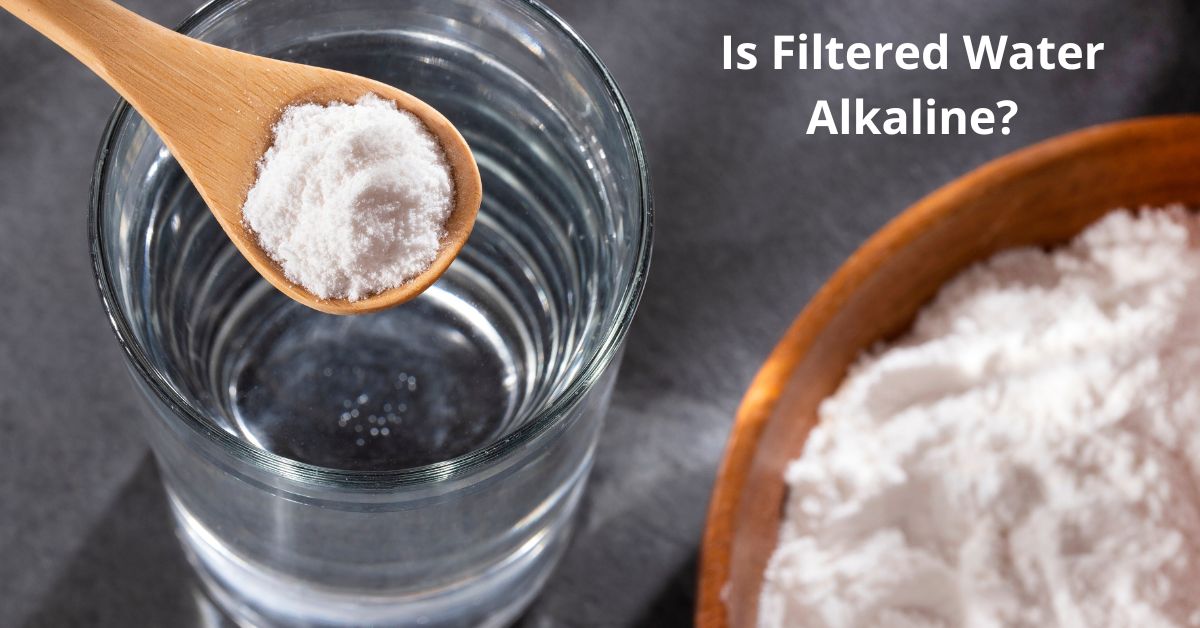
A customer emailed us last week before committing to a new under sink filter. She’d read online that some filters push water toward a high alkaline pH, and she wanted to know if that was true before she bought one, because she didn’t much like the idea of drinking water that’s too alkaline.
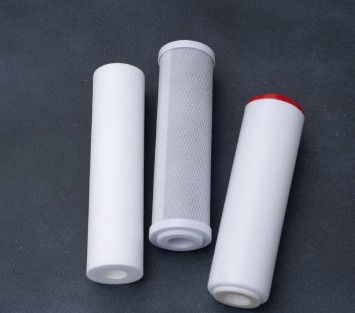
Good question, and the short answer is no. A standard carbon filter, whether it sits under the sink or on the benchtop, isn’t built to shift your water’s pH in either direction. That was never really its job.
What is the healthiest type of water to drink?
Here’s the part most alkaline water marketing skips over. Your body already runs an extremely tight pH control system. Your kidneys and lungs keep your blood sitting between 7.35 and 7.45, no matter what you drink (StatPearls, NCBI Bookshelf). A glass of pH 9 water meets stomach acid, which sits as low as pH 1 to 2 (StatPearls, NCBI Bookshelf), almost immediately, long before anything reaches your bloodstream. Drinking alkaline water doesn’t shift your body’s pH. It can’t. Deviations outside that narrow blood pH range are serious enough to be treated as medical emergencies in hospitals, not something a glass of water could casually pull off.
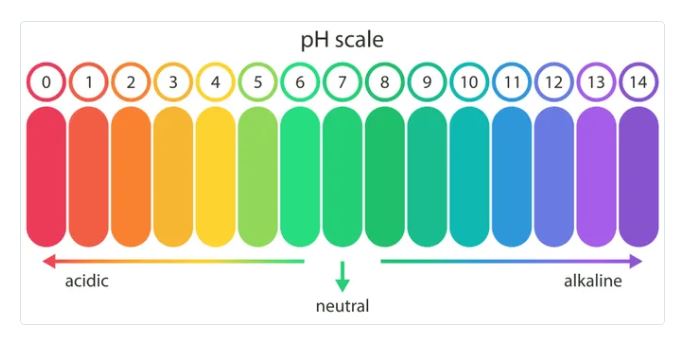
So the healthiest water to drink isn’t defined by its pH. It’s defined by what’s not in it. Chlorine and its byproducts, PFAS, heavy metals, and whatever else is coming through the mains or the tank matter far more to your health than whether the water reads 6.5 or 8.5 on a strip. That’s the whole premise behind PFAS water filters and proper carbon filtration. Get the contaminants out first. Everything else is optional polish.
That’s not to say alkaline water is entirely snake oil. One 2012 study published in the Annals of Otology, Rhinology & Laryngology found that pH 8.8 water could deactivate pepsin, an enzyme involved in acid reflux, and had a useful acid-buffering effect for people with reflux disease (PubMed). That’s a real, specific, narrow benefit for a specific group of people. It’s a long way from the general “detox and energise your cells” claims plastered across alkaliser websites, which McGill University’s Office for Science and Society has spent years picking apart.
Does an under sink or benchtop filter change your water’s pH?
Mostly, no. A standard under sink water filter or benchtop water filter using carbon and sediment stages removes chlorine, sediment, and a range of chemical contaminants without stripping out the minerals that keep water sitting close to neutral, generally somewhere between pH 6.5 and 8.5.
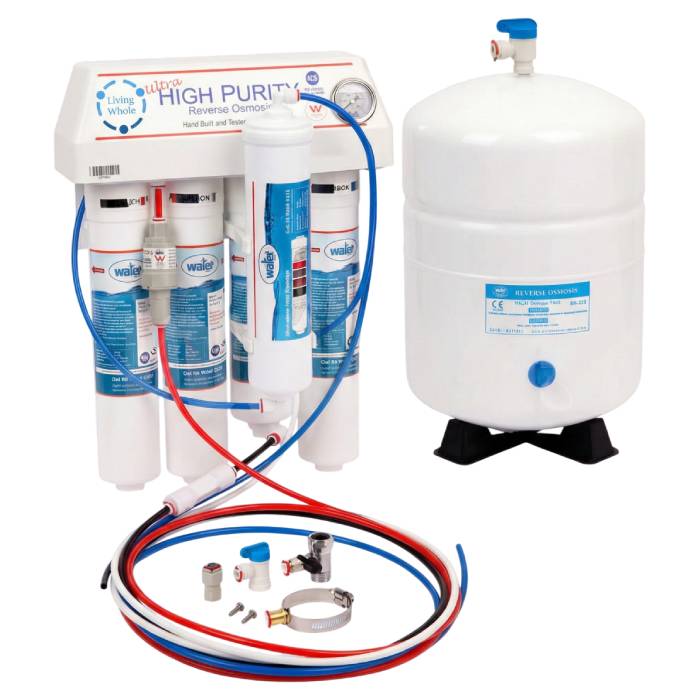
RO water is the exception. Reverse osmosis is so thorough at removing dissolved solids that it takes most of the minerals with it, which can leave RO water sitting slightly acidic, often around pH 5.5 to 6.5, straight out of the tap. That’s not a fault. It’s just what happens when you strip water back to close to pure H2O. Plenty of RO systems, including ours, add a remineralisation stage afterwards specifically to bring the minerals and pH back up, which also happens to improve the taste.
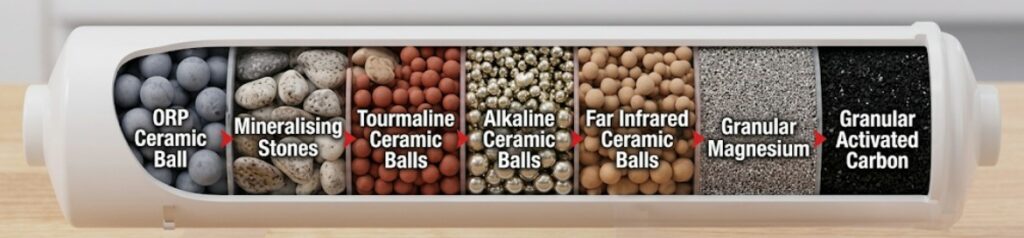
Here’s where the regulatory gap is worth knowing. The Australian Drinking Water Guidelines set an acceptable pH range of 6.5 to 8.5 for mains water, largely to stop pipes corroding rather than to optimise anyone’s health (NHMRC). Water sitting inside that range is compliant. It says nothing about whether the water is free of PFAS, chlorine byproducts, or anything else you’d actually want filtered out. Compliant and clean are two different things, and it’s worth checking both rather than assuming one guarantees the other.
To sort the science from the sales pitch, it helps to separate three things:
- What removes contaminants. Carbon filtration and reverse osmosis, not alkalisers.
- What affects taste and mouthfeel. Mineral content and pH, which sits close to neutral in most filtered water.
- What actually changes your body’s pH. Nothing you drink, because your kidneys and lungs already have that covered.
If you genuinely prefer the taste of alkaline water, there’s no harm in it for most healthy people, and it may be a real help if you deal with reflux. Just don’t let a pH number distract you from the bigger question, which is whether your water is actually clean before it hits your glass. Wikipedia’s entry on the water ionizer devices behind most alkaline water claims is a useful, sober read if you want the full picture on where the marketing outpaces the evidence.
Chase clean water first. Let pH be a preference, not the focus.