

Most people picture a whole house filtration system as one big fancy filter. It is not a product. It is plumbing infrastructure. It sits at the point where mains or tank water enters your property and treats every drop before it reaches your kitchen tap, your shower, and your washing machine. That is the whole point of it: one install, whole-home coverage, instead of managing a jug in the fridge and a filter on one tap.
But “whole house” does not automatically mean “best.” It means broad coverage, delivered through media that has to work at high flow rates across an entire property. That trade-off matters more than the marketing usually lets on, and it is the reason a house water filter and a benchtop unit are not really competing products. They are built to solve different problems at different points in your plumbing.
Is it worth getting filtered water throughout the house in Australia?
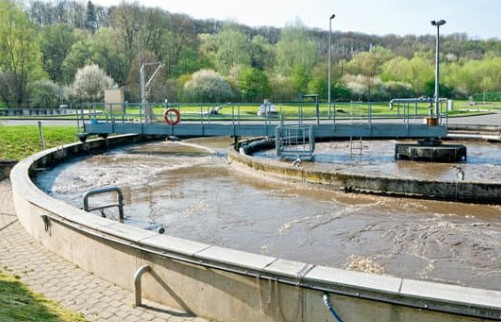
It depends entirely on your water source. If you are on mains supply in a capital city, your water is already treated to the Australian Drinking Water Guidelines, and NSW Government testing confirms current supplies meet those standards. However, meeting a government guideline does not necessarily mean the water is health-optimal. Guidelines are based on acceptable levels of risk, and in some cases Australia’s limits are more lenient than those adopted by overseas regulators such as the US EPA.
The NHMRC’s own PFAS review estimates drinking water is a genuinely minor contributor to PFAS exposure for most Australians, since food and household products account for the bulk of it.

If you are on rainwater or bore water, the calculation changes. There is no treatment plant checking tank water before it reaches your bathroom, so sediment, bird droppings, and roof runoff are real, everyday variables. A house water filter with sediment and bacteria protection is close to essential in that situation, not a nice-to-have.
Worth knowing too: a recent UNSW study of Greater Sydney’s drinking water found 31 PFAS compounds, 21 of which had never been documented in Australia before. It is one reason more households are asking about water filtration for PFAS even in cities where the tap water technically passes every test.

What is the healthiest water filter system for home?
There is no single “healthiest” system. There is a right-sized one, and it is almost always layered rather than a single unit doing everything. Here is the tactical breakdown of how a proper whole house setup actually works.
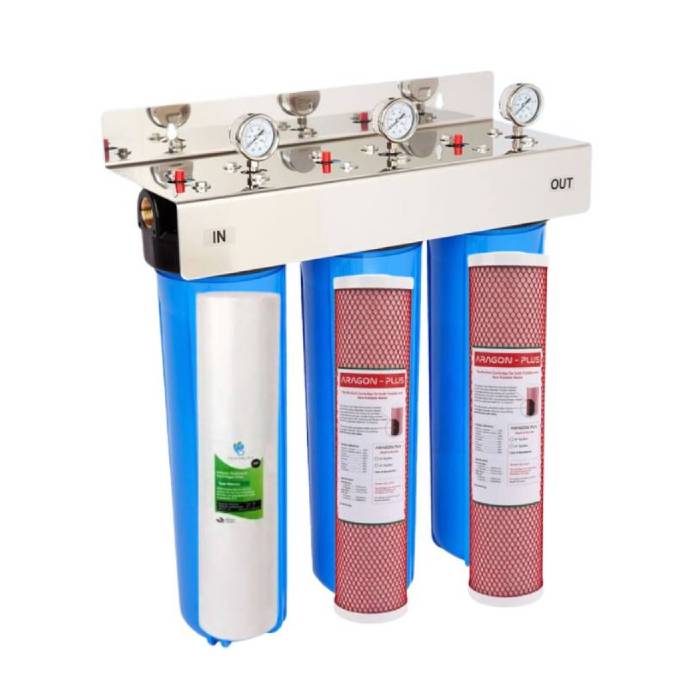
- Sediment stage: Water passes through a pre-filter that traps anything down to around five microns, roughly the size of a red blood cell. This catches rust flakes, silt, and pipe scale before they can clog everything downstream.
- Carbon and mineral stage: Activated carbon, often paired with a copper-zinc media, absorbs chlorine, chloramine, and a range of heavy metals. This is the stage that fixes the “swimming pool” smell and taste most people associate with tap water.
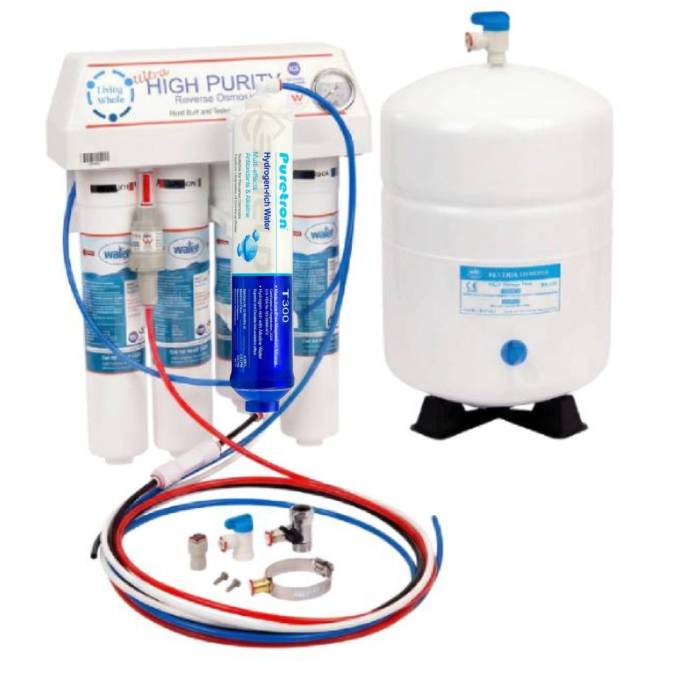
- Point-of-use polishing stage: This is the part whole-house marketing tends to skip. Standard carbon media is not fine enough to reliably strip out PFAS or fluoride at the flow rates a whole house system needs. For that, you need a dedicated RO water filter at the kitchen tap. Reverse osmosis forces water through a semi-permeable membrane fine enough to catch dissolved solids that sediment and carbon simply pass straight through. It is decades-old, well-understood technology, not a gimmick, and a Sydney-based PFAS assessment is part of why researchers keep pointing back to membrane-based filtration as the reliable option for these specific compounds.
That third stage is the detail worth remembering. A whole house filter handles volume: sediment, chlorine, bacteria, general water quality across every outlet, including your shower and laundry. A reverse osmosis unit handles precision: the specific molecules, like PFAS or fluoride, that most families actually installed a filter to deal with in the first place. Plenty of Australian homes run both, because they are solving two different problems, not competing for the same job. Neither one is the “upgrade” version of the other.
You do not need to guess your way into the most expensive system in the catalogue. Match the filter to what is actually coming out of your tap, not to what sounded most impressive in the brochure.