We often talk about the things we can see. We scrub our kitchen counters, we wash our vegetables, and we filter our drinking water. We take great pride in keeping our homes clean and our families safe.
But lately, I’ve been thinking a lot about the things we can’t see.
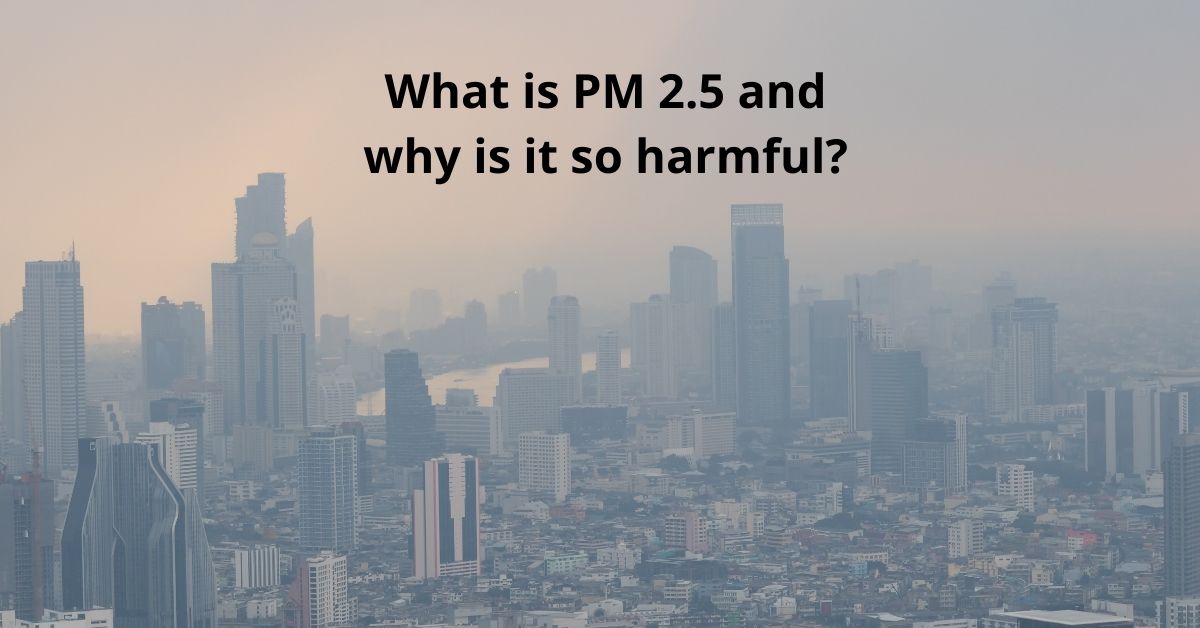
There is a hidden aspect of our home environment that has a massive impact on how we sleep, how we feel, and our long-term health. It’s the air we breathe. Specifically, it involves a tiny, invisible culprit known as PM 2.5.
If you’ve started researching air quality or looked at our air filter range, you’ve probably seen this term flashing on digital displays or listed in spec sheets. But unless you have a degree in environmental science, it can feel like just another confusing acronym.
Today, I want to demystify it for you. Because I believe that when we know better, we can live better.
What exactly does PM 2.5 mean?
It sounds a bit like a sci-fi robot name, doesn’t it? But “PM” simply stands for Particulate Matter.
This is a mixture of solid particles and liquid droplets found in the air. Some particles, like dust, dirt, soot, or smoke, are large or dark enough to be seen with the naked eye. But others are so small they can only be detected using an electron microscope. The “2.5” refers to the size. These particles have a diameter of 2.5 micrometres or smaller.
To give you a sense of scale, think about a single strand of hair from your head. On average, a human hair is about 50 to 70 micrometres in diameter. A single particle of PM 2.5 is about 30 times smaller than that strand of hair.
Because they are so microscopic, they are incredibly light. Unlike heavy dust that settles on your bookshelf quickly, PM 2.5 particles can stay suspended in the air for long periods, travelling straight into our lungs with every breath we take.
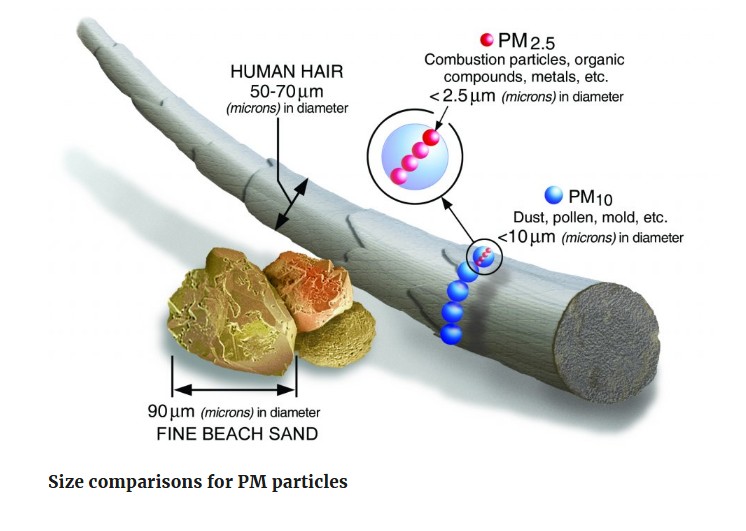
Source: EPA.gov (https://www.epa.gov/pm-pollution/particulate-matter-pm-basics)
Where does it come from?
I used to assume that air pollution was something that happened “out there”, near factories or busy highways. And while vehicle exhaust and bushfire smoke are major contributors, our homes can surprisingly generate high levels of PM 2.5 too.
Common sources include:
- Combustion: Burning candles, incense, or using wood-burning stoves.
- Cooking: Frying food, sautéing, or even toasting bread can release a burst of particles.
- Aerosols: Cleaning sprays, hairspray, and deodorants.
- Reaction: Chemical reactions between common household gases and sunlight.
Why is size such a big deal?
This is the part that shifted my perspective from “air quality is a luxury” to “air quality is a necessity.”
Our bodies have amazing natural defense mechanisms. When you breathe in larger particles (like pollen or heavy dust, known as PM 10), your body typically traps them in your nose or throat. You might sneeze or cough to expel them. It’s annoying, but your body handles it.
PM 2.5 is different.
Because these particles are so tiny, they bypass those natural defenses. They travel deeply into the respiratory tract, reaching the delicate alveoli in your lungs. From there, they can even cross into the bloodstream.
This can trigger inflammation and has been linked to respiratory issues, aggravated asthma, reduced lung function, and even heart problems. For children, whose lungs are still developing, or for those of us navigating health shifts like perimenopause, reducing this toxic load is crucial.
How do we protect our sanctuary?
The goal isn’t to live in a bubble or stop cooking dinner. The goal is to create a home that can restore itself. This is where having the right tools makes all the difference.
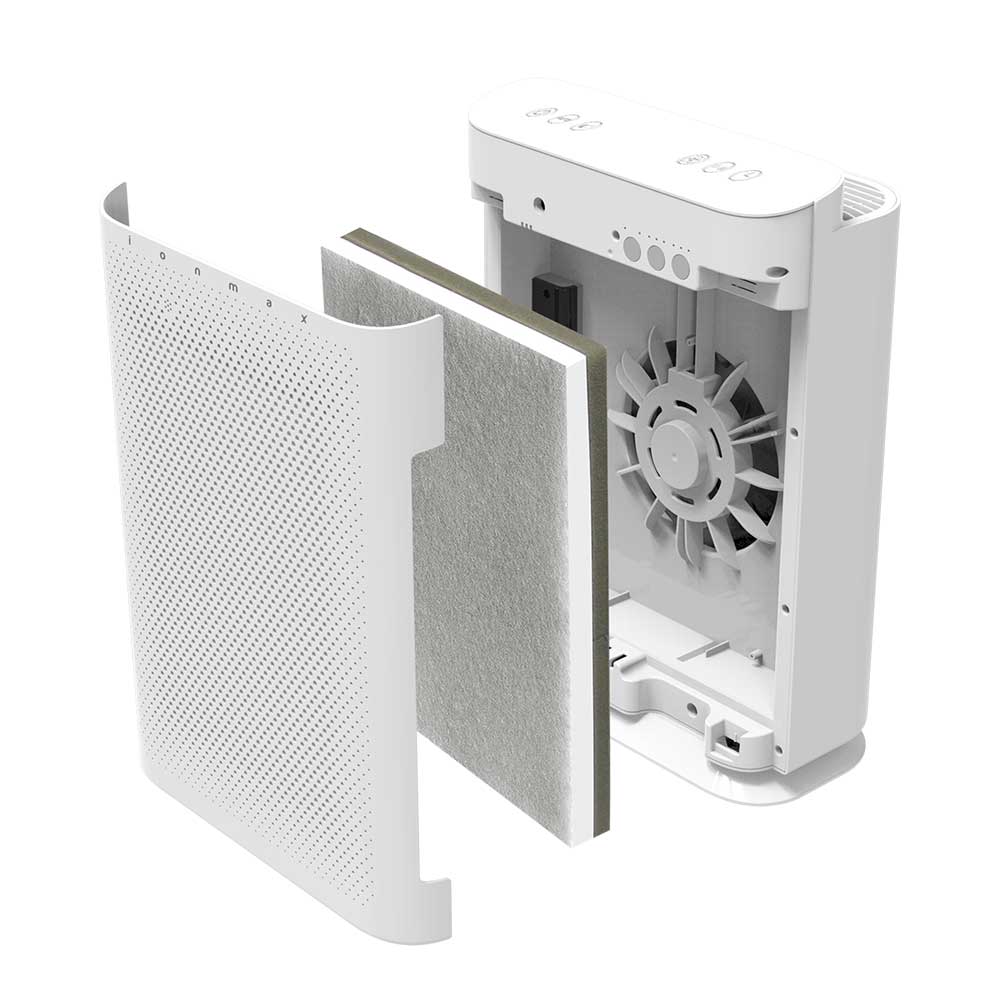
To truly capture these microscopic invaders, you need more than just a standard fan or filter; you need a high-quality hepa air purifier.
“HEPA” stands for High Efficiency Particulate Air. A genuine hepa filter is designed to trap at least 99.97% of particles that are 0.3 microns in diameter. This means it is incredibly effective at capturing PM 2.5 particles that other filters might let slip through.
When you run a hepa air purifier like the units we have curated for Living Whole, you are essentially scrubbing the air. You are removing the traffic pollution that drifted in through the window, the smoke from burnt toast, and the invisible allergens that keep you congested.
Reclaiming your air
Knowing about PM 2.5 shouldn’t make us fearful; it should make us empowered. We can’t control the air outside, but we have total authority over the air inside our walls.

By monitoring our air quality and using the right filtration, we turn our homes back into what they were meant to be: a place of healing, rest, and safety.
If you’re ready to clear the air, feel free to browse our collection or reach out. We’re here to help you breathe easier.